A few tasty, healthy recipes that are easy to make in large quantities. Perfect for potlucks, your family, or for cooking in advance for the week ahead.

Thursday, September 16, 2010

rice with greens


(a super quick recipe for busy students who just got a huge volume of collard greens in their CSA)

this is what you call a studying friendly recipe: you do minimal work and let it sit.


Ingredients:
1.5 cups uncooked rice
  • my favorite is a wild rice mixture, such as the kind sold at Trader Joes or the bulk goods section of fairway
  • if you dont have wild rice, try a short grain brown rice. After that, any brown rice will do.
  • Feel free to make it 1 cup rice, 1/2 cup lentils (red or brown. brown are more filling. red give it a more porridge-like homey texture).
4-7 cups chopped greens. Bok Choy is great, but any green will do. You can add more to taste.
soy sauce
dash of olive oil
optional- chopped onions and/or garlic. feel free to use the jarred chopped garlic.


about the proportions:

the recipe is very flexible in regards to the rice to greens ratio. The ratio you select depends on if you want an even rice to greens mixture or if you want rice with a touch of greens ( a 3:1 rice to greens ratio once cooked). Keep in mind that the greens will shrink to approximately 1/4 to 1/3 of their original size once cook.

Instructions:
  • place rice and/or lentils in a large soup pot. add appropriate amount of water or vegetable stock, but be on the generous side.
  • add the dash of olive oil.
  • turn the rice on high. when it starts to boil, turn it down to a simmer
  • wash and chop the greens. coarsely chopped is best
  • when the water is almost entirely absorbed into the rice, place the greens on top of the rice. DO NOT STIR. cover with the lid (basically, you are allowing the greens to steam while the rice still cooks)
  • when both the rice and the greens are cooked (yes, you will have to open the pot and poke the rice for a sec to figure this out), add 2-4 dashes of soy sauce to taste, and stir.

enjoy! tastes great alone, with yogurt, with almost any cheese.

Wednesday, September 15, 2010

zucchini with thyme

a super simple recipe. great for serving a large crowd or for when you are running short on time.

Ingredients:
  • zucchini
  • olive oil
  • sea salt or kosher salt
  • fresh black pepper
  • dried thyme
Notes on the recipe:
  • use a large skillet. a non-stick or cast iron is great. the main thing is that you want a large cooking surface, not a narrow pot.
  • IMPORTANT NOTE: this is a quick recipe. It is best to cook the zucchini when all pieces can sit on the bottom of the pan easily. If you have a lot of zucchini it is best to cook it in batches rather than all at once. It will take only a tiny amount more time, and is well worth it.
Instructions:
  • chop the zucchini into 1/2 inch to 1/3 inch thick semi circles
  • heat the oil in the skiller
  • flick one zucchini slice onto the heated oil. if it starts to sizzle and blister, you know its ready. dont put the zucchini on when the heat is too low.
  • add all the zucchini and start stirring around. you can cook the zucchini till its super dark and carmelized, or cook it for a short time until the outside has a golden blistered look.
  • add about 1-2 tsp of kosher salt. this draws out moisture from the zucchini helping it cook faster.
  • add a generous amount of dried thyme (approx 1 tbsp per medium sized zucchini is a good estimate).
  • add the fresh black pepper.
  • you're done!

Variations:
  • add chopped bell peppers towards the end. cook them until they are just slight wilted
  • add cooked butter beans along with the black pepper

Celery, Quinoa, Jerusalem Artichoke Soup

equipment:
  • 1 large soup pot
  • 1 immersion blender (you can do it with a regular blender, but its such a pain...)
  • 1 pyrex bowl
  • 1 microwave

Ingredients:
  • 1 bunch of celery from the CSA (this is about 2/3 the size of the bunch you would get in a store)
  • 2 medium onions
  • 3-5 cloves of garlic, to taste
  • 1 cup uncooked quinoa.
  • 1/3 lb jerusalem artichokes
  • vegetable broth (if you dont have, add a dash of cumin and turmeric (translate: about 1/4 to 1/2 a tsp of each per 2 cups of water).
  • olive oil for sauteing
  • salt and pepper to taste
  • thyme (dry is fine)
  • sage (fresh or well ground. dont use any big dry leaves).
  • yogurt or cheese- optional


Notes: in short, the recipe uses 1/2 the celery and 1/2 the artichokes you got today. feel free to double.

Instructions:
  • place the quinoa in the pyrex bowl with a touch more than 2 cups of water. place a lid or plate on top of the pyrex bowl and microwave it for 20 minutes on high. (NOTE- if the quinoa is not pre-rinsed, you will need to rinse it ahead of time. Other note to self- this is why you should always buy pre-rinsed quinoa. final note- this is a great way to cook quinoa).
  • wash the jerusalem artichokes well. chop em small.
  • heat olive oil in the bottom of the pot. add the jerusalem artichokes and start to saute.
  • chop the onions small and add them to the pot.
  • chop the garlic and add it to the pot.
  • chop the celery. feel free to include the leaves.
  • when the onions are translucent and the jerusalem artichokes look cooked, add the celery. stir.
  • when the celery looks slightly wilted, add the quinoa.
  • add the thyme & sage
  • add enough vegetable broth so that it covers the mixture by about 2 inches.
  • let it simmer
  • puree with the immersion blender. if you want it thinner, add more broth and let the mixture simmer again.
  • serve hot or cold. great with a dollop of yogurt on top. or some grated cheese.

Celery Basics

Some ideas with what to do with celery:

Raw
plain or with dips such as hummus, tahini, peanut butter, almond butter, labane, are all great.

In Soups
If you plan on keeping it around for a soup stock, you can freeze the stalks and keep it in a well sealed ziplock. This will take away the crunch from the celery, but this wont matter for a soup.

The Leaves
make a great garnish. You can eat them in salad, or mix them into a tabouleh.

Fun Ideas
here is a recipe for a Chinese tofu celery salad from Mark Bitman:
recipe
video

and of course, you can make it into a unique soup with quinoa and jerusalem artichokes!

Jerusalem Artichoke Basics


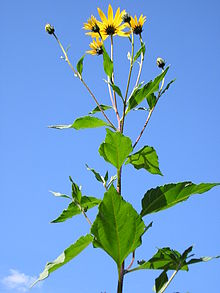
Jerusalem Artichokes are neither from Jerusalem nor an artichoke. They are the root of a beutiful tall yellow flower that looks like a sunflower. The root has a texture like a potato, but with a fun nutty twist.


some basic ways to prepare a jerusalem artichoke:
(be sure to clean them well before cooking)

1. roast them in the oven. chop them up the way you like your roasted potatoes. a touch a olive oil, salt, and pepper is great. The more adventurous can add twists like rosemary. or roast it in combination with other root vegetables (see here for some ideas)

2. simmer/saute
Chop them the way you like your pan sauteed potatoes. Place them in a pot with a lid. add vegetable broth enough to barely cover them. let them simmer. when the broth has boiled for about 6 minutes, remove the lid and let the liquid evaporate so that they can start sauteing in the pan. You may want to add a touch of oil in the last step to help with the saute.
variations: add chopped onions and/or garlic to the pot.

no vegetable broth? no problem.
While this doesnt work for every recipe, the main goal of the broth here is to give the chokes something a little more flavorful than plain water to simmer in. Some quick substitutes include:
  • adding a dash of cumin and turmeric (translate: about 1/4 to 1/2 a tsp of each per 2 cups of water). amazing how cumin can make a broth taste meaty.
  • adding 1 tsp of soy sauce per 2 cups of water
  • adding a touch of miso paste
  • adding star anise

Friday, June 11, 2010

keeping herbs fresh

Don't want them to wilt in your fridge?
Soon after you bring them home:
  • wash them
  • shake them dry
  • wrap them in a paper towel or wash cloth
  • place in a sealed tupperware
  • place in fridge
now you can use them to sprinkle on so many dishes, and they can last for two or more week

Saturday, January 30, 2010

cream of parsnip soup- without any cream

Winter CSAs come with so many parsnips. And while I love a good caramelized, roasted parsnip, there are only so many roasted vegetables I can eat in a week. Thats why I was so excited to find out that parsnips make a great creamy/starchy texture when used as a soup base, much like potatoes.

This recipe is very flexible, and you can substitute about 1/2 the parsnips for turnips, and replace some or all of the parsnips for potatoes, but I love the savory taste the parsnips give.


equipment:
  • immersion blender/stick blender
  • large soup pot

The recipe:
  • 3-4 large parsnips, chopped
  • 1 large onion, chopped
  • 3-4 cups milk or soy milk
  • 1-2 cups vegetable broth or water (if you are using water, you will need 1 tsp cumin, 1 tsp turmeric, and be generous with the other spicing)
  • 1 tsp dried rosemary
  • 2 tbs dried sage (or 4-6 fresh sage leaves)
  • 1 tbs dried dill (or a few sprigs of fresh)
  • fresh ground pepper to taste
  • olive oil or butter for sauteing

optional:
can add more parsnip for a thicker texture, or some turnip, potato or carrots.
another variant is to put in greens, such as collards, chard, kale, or spinach (fresh or frozen). You can put in a little or as whole huge bunch of greens. I've even put in some frozen peas at points. If you put in the greens, the soup will have the look and texture of a pea soup, as opposed to a cream of potato soup. Both are delicious, just have different tastes and textures.

Directions:
  • heat the butter or oil in a large soup pot
  • saute the onions in the bottom of the pot until they are soft & translucent.
  • add the rosemary and stir
  • add the parsnips (and other root veggies if you are using them)
  • after the parsnips soften a bit and are coated will in the oil
  • add the rest of the spices
  • add the greens and/or peas if you are using them
  • add the water or veggie broth so that it covers the veggies (if you are adding greens, it only needs to cover the parsnips- the greens will steam on their own)
  • when the parsnips are very soft, turn off the flame and add the milk or soy milk. Add more for a thinner soup, less for a much thicker one.
  • use the immersion blender to liquefy the soup.
  • return the soup to the flame for a few minutes to let it simmer with the milk.
  • salt before serving. enjoy!